It is believed that Mark Twain once said, “I didn't have time to write a short letter, so I wrote a long oneinstead." There is some debate if this was said by Twain, but here is the point. It takes more time to write,develop lesson plans, or teach with conciseness. As an instructor, you need to prioritize what you willaddress in the timeframe given.
Understanding By Design
When creating a curriculum, where do you begin? A widely accepted curriculum design model is Understanding by Design (UbD) developed by Grant Wiggins and Jay McTighe. UbD uses a Backward Design approach that has three stages.
Stage 1: Identify Desired Results
Stage 2: Determine Acceptable Evidence
Stage 3: Plan Learning Experiences and Instruction
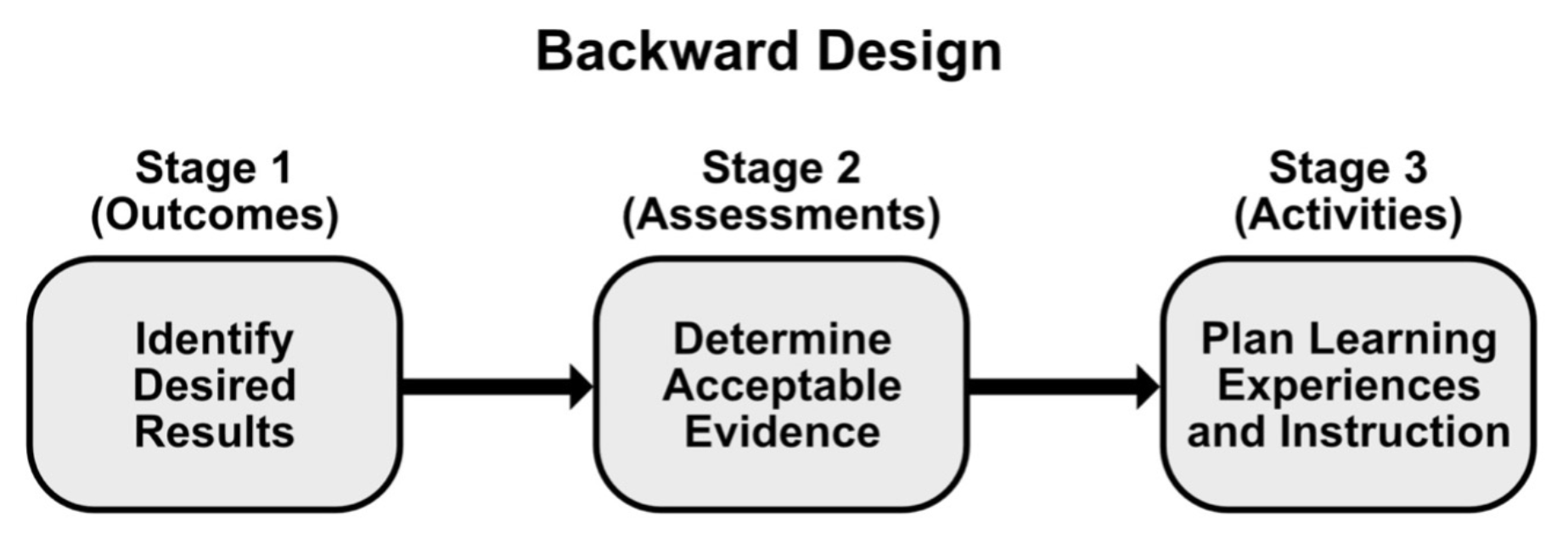
As you develop lessons you identify different learning priorities.
• Knowledge that is worth being familiar with
• What is important to know and do
• Enduring understandings
Enduring understandings are transferable, core concepts that are central to a specific field of study. In contrast to knowing just a fact, enduring understandings are what students learn and grasp to apply to real-world situations.
Developing Automotive Curriculum
How does this design framework apply to automotive curriculum? The ASE Education Foundation provides the required tasks and hours. You provide the program course structure, curriculum, and student materials. The ASE Education Foundation’s Automobile Program Standards addresses learning priorities. To allow for flexibility at the local level, the ASE tasks have Priority 1 (P-1), Priority 2 (P-2), and Priority 3 (P-3) designations. According to the ASE Program Standards, the curriculum must include 90% of P-1 tasks, 75% of P-2 tasks, and50% of P-3 tasks. Once you know the desired results and how to assess students, then you can design lessons.
Stage 1: Identify Desired Results - ASE Task List and/or Local Competency Profile
Stage 2: Determine Acceptable Evidence – ASE Tests, End of Course Tests, End of Program Tests, Performance Tasks, and Hands-On Assessments
Stage 3: Plan Learning Experiences and Instruction – Curricular Materials and Learning Activities
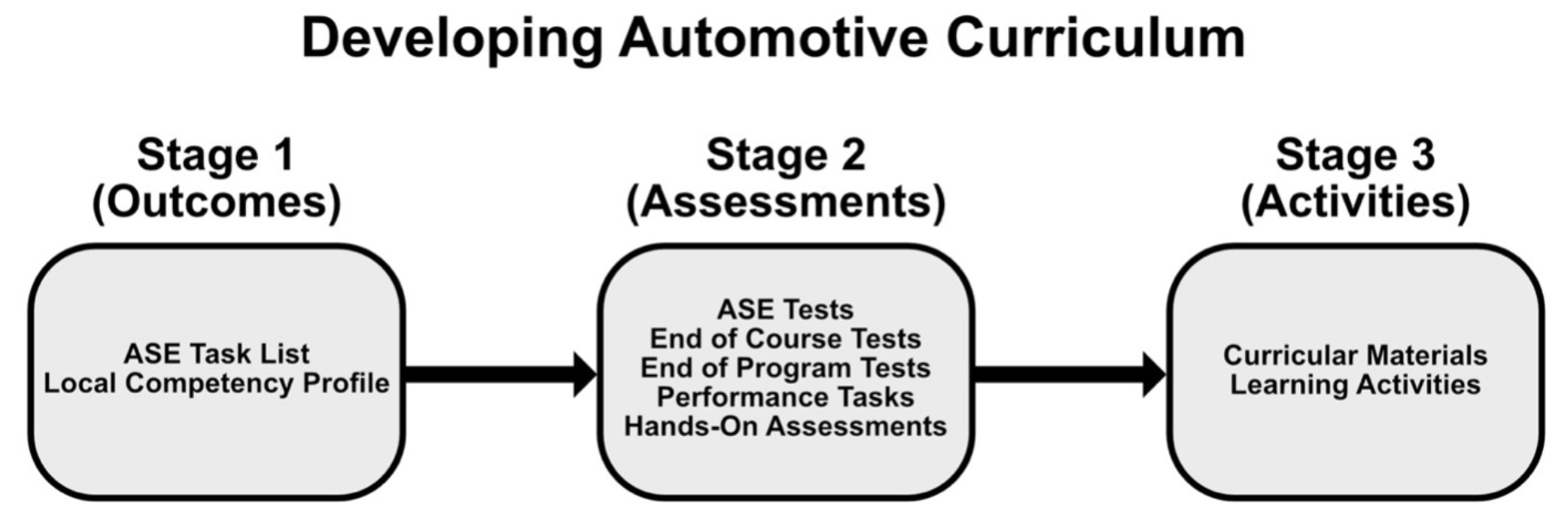
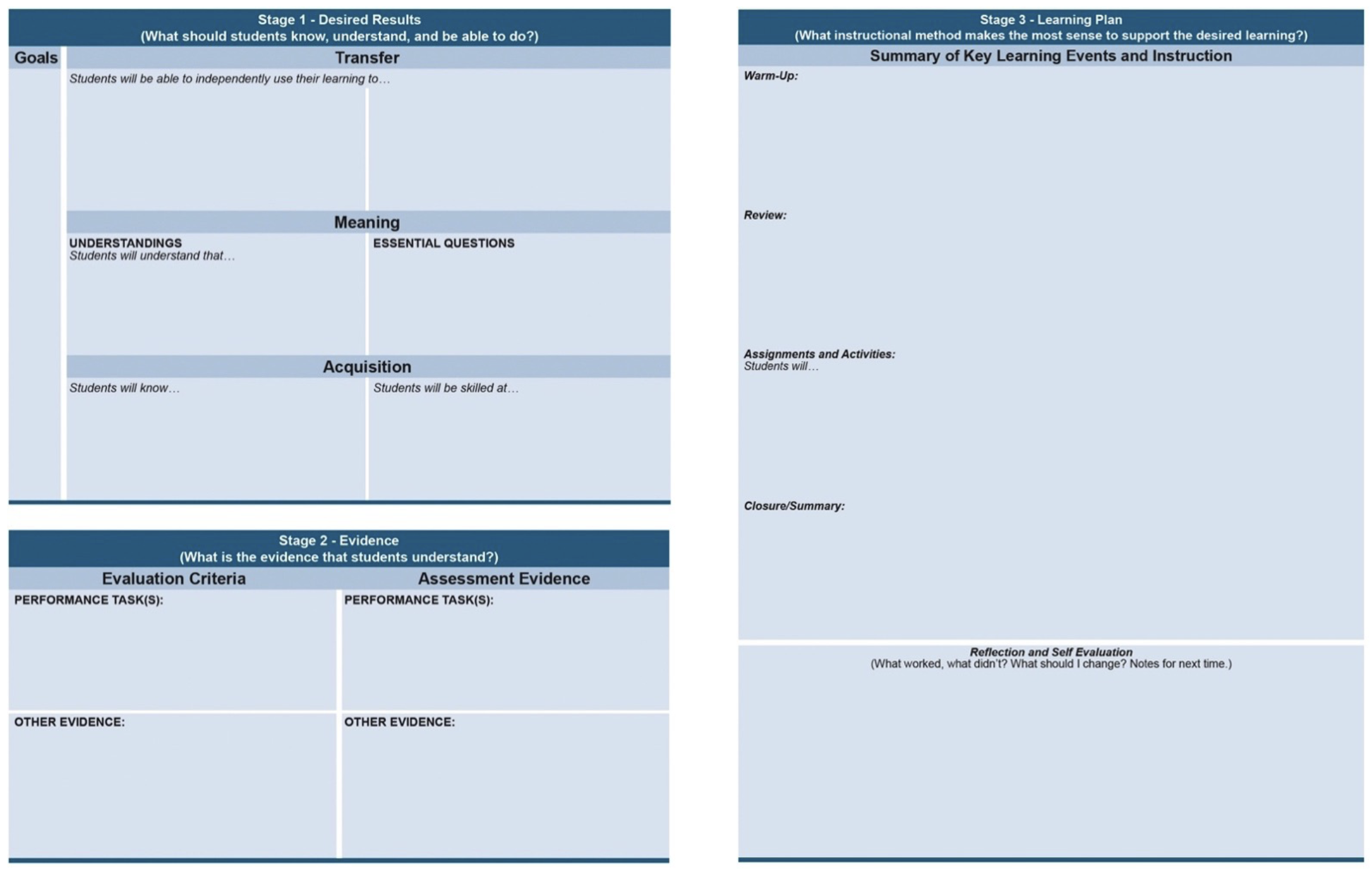
When developing a unit or lesson plan, the three stages can be used to organize the learning.
 Conclusion
Using the Understanding by Design model to develop your curriculum ensures that you are focusing on the enduring understandings that students can continue to build upon.
###
About the Author
Michael Gray, a former automotive teacher and career and technology education administrator, is the co-author and publisher of Auto Upkeep – a curriculum used by over 700 secondary and post-secondary schools throughout North America. For the last 23 years, Auto Upkeep has focused on enduring understandings and what every beginning automotive student should know and be able to do. Developed using the UbD framework, Auto Upkeep correlates to tasks in the ASE Education Foundation Maintenance and Light Repair (MLR) model. Go to
https://www.autoupkeep.com/sample-unit/ to see a sample of the curriculum using the UbD framework. If you would like a complimentary review copy of Auto Upkeep for textbook adoption consideration, please visit
https://www.autoupkeep.com/preview-copies/ or
email Mike to submit a request.